
Alfa Romeos are more reliable than their reputation suggests, but it depends on the model and year. Newer cars like the Giulia, Stelvio, and Tonale are much improved compared to older Alfas, while used Giuliettas and Mitos can have issues with electricals and gearboxes. Maintenance costs are slightly above average, but leasing a new Alfa can remove most long-term risk.
Why Do Alfa Romeos Have a Bad Reliability Reputation?
Alfa Romeo’s “unreliable” label mostly comes from older models, particularly from the 2008–2014 period.
-
Electrical faults were common in early Giuliettas and Mitos.
-
Gearbox and clutch issues affected high-mileage cars.
-
Limited UK dealer coverage made repairs slower and more expensive.
Recent improvements under Stellantis ownership have simplified electronics, improved build quality, and aligned parts with more reliable brands, reducing major mechanical failures in modern Alfas.
Looking to Lease a Alfa Romeo Car? Get Exclusive Deals Today!
Alfa Romeo Reliability by Model
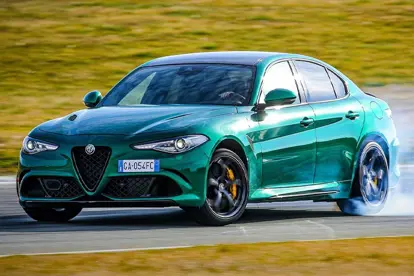
Alfa Romeo Giulia Reliability
The Giulia is now Alfa’s most reliable model.
-
Verdict: Reliable, especially post-2018 models.
-
Common issues: Minor electrical glitches, occasional sensor alerts, long repair times.
-
Improvement: Newer years have significantly fewer mechanical faults compared to early Giulia models.
Alfa Romeo Stelvio Reliability
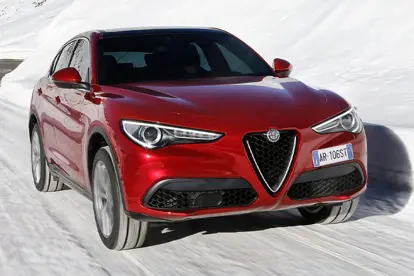
The Stelvio SUV has improved steadily since launch.
-
Verdict: Acceptable SUV reliability, stronger in recent years.
-
Common issues: Brake pad wear, electronic sensors, minor software updates.
-
Improvement: Modern Stelvios have fewer service interventions and longer-lasting components.
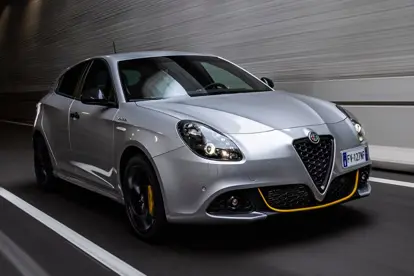
Alfa Romeo Giulietta Reliability
The Giulietta is an older model with mixed results.
-
Verdict: Reliable only if serviced regularly; older high-mileage cars carry risks.
-
Common issues: Gearbox and clutch problems, electrical faults, suspension wear.
-
Improvement: Later years (2013–2014) are slightly better but still behind Giulia or Stelvio.
Alfa Romeo Tonale Reliability
The Tonale hybrid shows early signs of solid reliability.
-
Verdict: Generally dependable, but minor software recalls occur.
-
Common issues: Early software updates, minor electronics, brake components.
-
Improvement: As a new model, reliability ratings are expected to rise with experience.
Are Alfa Romeos Expensive to Maintain?
Alfa Romeos are slightly more expensive than average for premium brands, mainly due to specialist parts and a smaller UK dealer network.
Approximate UK costs:
|
Service Type |
Cost (£) |
|---|---|
|
Interim Service |
180–250 |
|
Full Service |
240–350 |
|
Brake Pads & Discs |
360–520 |
|
Timing Belt Replacement |
460–610 |
Leasing a new Alfa often includes warranty and maintenance packages, reducing these costs and eliminating major reliability concerns.
Explore: Alfa Romeo Lease Deals
Are Alfa Romeos Good Cars Overall?
Alfa Romeos offer a strong driving experience and distinctive styling, though reliability trade-offs exist with older models.
-
Driving: Engaging performance and sporty handling.
-
Reliability: Modern models are comparable to BMW and Audi, older models less so.
-
Ownership: Slightly higher maintenance costs for used cars, but mitigated by leasing.
Should You Buy or Lease an Alfa Romeo?
Leasing an Alfa Romeo reduces long-term risk:
-
Warranty coverage protects against major repairs.
-
Costs are more predictable than outright purchase.
-
You can drive a modern, reliable Alfa without worrying about older-model issues.
This makes car leasing a practical option for Giulia, Stelvio, or Tonale buyers.
FAQs on Alfa Romeo Reliability
Yes, especially newer models like the Giulia, Stelvio, and Tonale. Reliability depends on model and year.
Older cars (pre-2014) had electrical and gearbox faults, plus slower dealer repairs.
The Giulia is the most reliable, followed by the Stelvio SUV.
Slightly higher than average for premium cars, but costs are predictable if leased or well-serviced.
Yes, particularly models after 2018, with few mechanical faults and minor electrical issues.
Significantly. Modern models benefit from better electronics, shared parts, and improved build quality.